











Diseases & Conditions Blog
Information about many diseases from A to Z Topics

Diseases & Conditions Blog

Lymphosarcoma in Humans

February 19th, 2009 . by steve

What is this group of conditions?

Malignant lymphomas are a group of malignant diseases originating in lymph nodes and other lymphoid tissue. Nodular lymphomas have a better prognosis than the diffuse form of the disease, but in both, the prognosis is worse than in Hodgkin’s disease.

What causes them?

The cause of Lymphosarcoma is unknown, although some theories suggest a viral source. Up to 35,000 new cases appear annually in the United States. Malignant lymphomas are two to three times more common in men than women and occur in all age-groups (median age is 50; rare in children). Also, incidence is higher for whites, particularly people with Jewish ancestry.

What are their symptoms?

Usually, the first indication of malignant lymphoma is swelling of the lymph nodes, enlarged tonsils and adenoids, and painless, rubbery nodes in and around the neck. In children, the disease causes shortness of breath and coughing.

As the lymphoma progresses, the person develops symptoms specific to the area involved and systemic complaints of fatigue, malaise, weight loss, fever, and night sweats.

How are they diagnosed?

Biopsies of lymph nodes, tonsils, bone marrow, liver, bowel, or skin help the doctor diagnose this disorder. (Biopsy differentiates malignant lymphoma from Hodgkin’s disease.)

Other tests include bone and chest X-rays, lymphangiography, liver and spleen scan, computed tomography scan (commonly called CAT scan) of the abdomen, and intravenous pyelography. Common lab tests include a complete blood count, uric acid, blood calcium, blood protein, and liver function studies.

How are they treated?

Radiation therapy is used mainly in the early localized stage of the disease. Total irradiation of lymph nodes is often effective.

Chemotherapy is most effective when combinations of drugs are used. For example, one drug protocol, called the CHOP protocol includes cyclophosphamide, doxorubicin, vincristine, and prednisone.


Nephritis or Bright’s Disease and its symptoms

February 9th, 2009 . by steve

In 1827, Richard Bright of London described a disease which thenceforward bore his name and is probably the best known of medical eponyms (diseases named for the discoverer). Bright’s disease is not a single entity. Several varieties are now recognized, and there is some confusion about definitions. In a very broad way, the group of diseases may be called nephritis inflammation of the kidney not resulting from infection in the kidney. Fine blood vessels of the glomeruli, the filtering units of the nephron, are commonly affected; hence the awkward term, glomerulonephritis.

Causes of Nephritis

Although germs are not a direct cause of nephritis, recent research has incriminated certain strains of germs as probable indirect causes. Acute glomerulo­nephritis may occur several days after a patient has suffered an infection caused by group A hemolytic streptococci, of the sort that often cause “strep throat” and scarlet fever. Delayed-action toxins produced by the germs are thought to be responsible.

Salts of mercury and some other metals can cause nephritis. The kidneys, guardians of the blood’s purity, filter and excrete innumerable kinds of harmful substances day and night. Metabolic diseases may produce scarring in the kidney and inflammatory reactions. And the very vascular kidneys are subject to sclerotic or artery-hardening processes. This form of nephritis is called nephrosclerosis.

Symptoms of Nephritis

Acute glomerulonephritis usually affects young people, but no age is exempt. Symptoms include loss of appetite, head­aches, nausea, vomiting, and scanty urine. There is puffy water logging of tissues. The urine contains much albumin (protein), evidence of kidney damage. Blood pressure usually rises. The patient is kept in bed and his diet carefully regulated with respect to intake of fluids, sodium, and other food elements. The great majority of patients recover completely and rarely have a second attack.

Chronic glomerulonephritis has a more serious outlook, though it is by no means to be regarded hopelessly. The condition may be latent for many years during which no active treatment is required. Dropsy is not quite so common a symptom of active disease as in acute glomerulonephritis. There is often anemia and a sallow complexion, and wastes tend to accumulate in the blood from diminished capacity of the kidneys to excrete them. There is albumin in the urine. Blood pressure rises. Although kidney impairment increases slowly, there may be a latent period, even of many years, during which the patient may feel quite well and be able to carryon an active life. Inflammatory reactions tend eventually to cause renal insufficiency, uremia, and there may be accompanying congestive heart failure. The chronic condition has many aspects of generalized vascular disease in which the kidneys are conspicuously involved.

The relationship between high blood pressure and vascular kidney disease is of great interest because of the general high incidence of hypertension. Special tests to uncover these relationships are now available, such as renal arteriography-x-ray films of kidney vessels. When high blood pressure is present, these special tests should be carried out by a team of urologists and internists to rule out or confirm renal causes of hypertensive disease. When renal artery obstruction is demonstrated, surgical correction is frequently possible, as by constructing a bypass of the affected artery.


Guide to Health Savings Accounts

February 3rd, 2009 . by steve

A health savings account – or HSA – can help you save money (tax-free) to allow you to cover large cost deductibles, while using a cheaper insurance policy to cover major medical bills. It may sound complicated but it’s really not. Here are a few tips that can guide you through the murk of health insurance plans and tax breaks.

Anyone under the age of 65 with a high-deductible health policy can start an HSA. You can’t be covered under another policy that isn’t a qualified high-deductible plan although you can still have other plans for disability, dental, long-term care or vision. According to About.com you can put up to $2,900 for singles with families being able to put aside $5,800. Policyholders aged 55 or older can put aside an additional $900 into their HSA. The amount you can put into your HSA can change year-to-year so it’s important to know what amount you’re allowed to set aside.

How does one go about opening an HSA account?

You can open a health savings account on your own or by opening one through your employer. You can find a list of health savings accounts at Med Health Insurance. There you can compare several policies from different companies. The list of companies offering HSAs continues to grow every month as it becomes a very popular health policy option. Many plans offered through your employer may have this HAS as an option. Talk to your company’s benefits or payroll manager to find out if this is an option or will soon become one. If your employer offers one of the high-deductible health insurance policies, you may qualify to make pretax contributions, the same way you would with a flexible spending account.


Neuritis – Types and Treatment

January 22nd, 2009 . by steve

Neuritis takes in a wide group of disturbances affecting the peripheral nerves and roots after they leave the brain or spinal cord. Some are due to infection, others to compression of the nerves as they pass through narrow canals in the vertebrae and skull, and the cause of still other disturbances is unknown.

Shingles (herpes zoster) is due to an infection of a ganglion, or group of nerve cells perched on the root, by a virus. It leads to excruciating itching and burning pain in a rash of blebs situated in a fixed zone of the body, usually the chest or upper face, on one side. There are measures of relief available, but no cure as yet. It tends to subside and disappear with the passage of weeks, but the itching in the area may remain for months Sciatica, or sciatic neuritis may be due to infection of the nerve as it passes through the huge muscles of the buttock in its long course down to the foot, or it may be compressed by arthritic spurs at its exit from the vertebrae. There is severe pain down the leg, areas of numbness, loss of reflexes and sometimes weakness in the foot. Medication, baking, and stretching of the nerve help. Sometimes there is a recurrence of sciatica a year or years later.

Writer’s cramp is not a true palsy, but occurs among people who have to write continuously under great pressure. What happens is that the muscles of the hand tire, tighten up, and fail to move temporarily. The situation is a physiologic rather than a true organic disorder and it clears completely under rest, a trip, or a change of work and pressure.
Types of Neuritis

Polyneuritis is a disturbance that affects the peripheral nerves on both sides of the body at one time, sometimes of both arms and legs, along with some of the cranial nerves affecting the face, jaws, tongue and eyes. Motor as well as sensory nerves are involved, so that there is weakness, loss of muscle tissue (atrophy) , numbness and loss of reflexes. It may be caused by infection, or by toxic substances as in uncontrolled diabetes, or by avitaminosis (lack of vitamins). It tends to subside with treatment, but may leave permanent minor residuals. Polyneuritis is, however, of rare occurrence, when compared to sciatica. “Lead polyneuritis” of painters is hardly ever seen these days.

Pressure Neuropathies (crossed leg palsies) are of comparatively rare occurrence. “N euro” refers to nerve and “pathy” to pathology or organic abnormality, as distinguished from a physiological abnormality, such as writer’s cramp, or a psychological abnormality,

such as insomnia. The pressure neuropathy in crossed-leg palsy is entirely different from the direct compression of a nerve as it passes through the narrow canal of the spinal vetebrae, as in sciatica. In crossed-leg palsy the nerve is not compressed, but rather, poorly functioning or arteriosclerotic arteries :ail to supply sufficient blood to the nerve, of a consequence of which there is tingling, numbness, and temporary loss of power in that leg. The condition often clears up under benefit of vasodilator drugs which bring more blood to the uea, iodine compounds, massage, and the avoidance of crossing one leg tightly over the other. The problem is comparatively rare and occurs chiefly among elderly people with impoverished circulation or poor arteries.

Bell’s palsy is a neuritis of the facial nerve . It is caused by infection and compression of the swollen nerve as it passes through a tiny opening in the skull below the ear, in its course to the muscles of the face. It is often caused by a draft of cold air during sleep that strikes the exposed side of the face near the ear. It also quite frequently occurs among chauffeurs who drive with an open window and are exposed to raw elements. The palsy is usually preceded the day before by a vague pain below the ear. In e following day the patient cannot dose the eye on that side, and in the space of hours there is complete paralysis of that side of the face, with a droop of the corner of the mouth, the mouth pulled over to the other side, and inability to raise the forehead.
Treatment

In most cases the condition clears up thin a month or several months and more rapidly with electric treatment and massage. The sudden appearance of paralysis of the face may prove alarming and embarrassing to the patient, but actually it tends to clear up without serious complication. However, during the time when the lid cannot be closed, a patch must be worn to prevent dust or rough particles from injuring the delicate cornea of the eye. In patients with severe injury to the facial nerve, there may be a residual slight weakness in the closing of the affected eye and a slight droop of the corner of the mouth for many years .


What is Laser Teeth Whitening?

November 22nd, 2008 . by steve

Different techniques are applied for teeth whitening. And with advanced technology more new techniques are being introduced to make the teeth whitening process simple and easy. All these different techniques of teeth whitening are practiced by dentists. There are chemical whitening techniques, laser teeth whitening, mild acid whitening and to name a few.

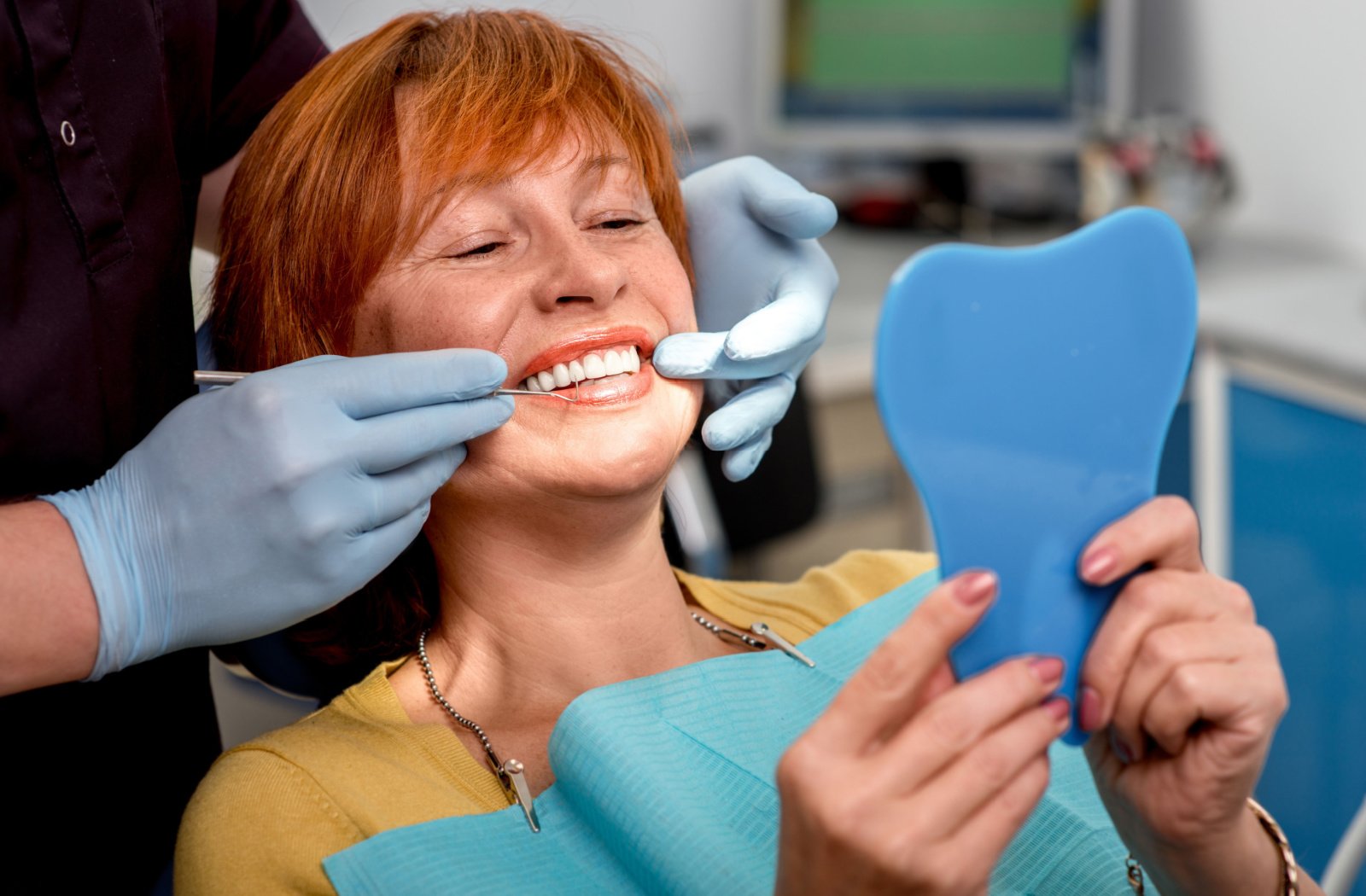
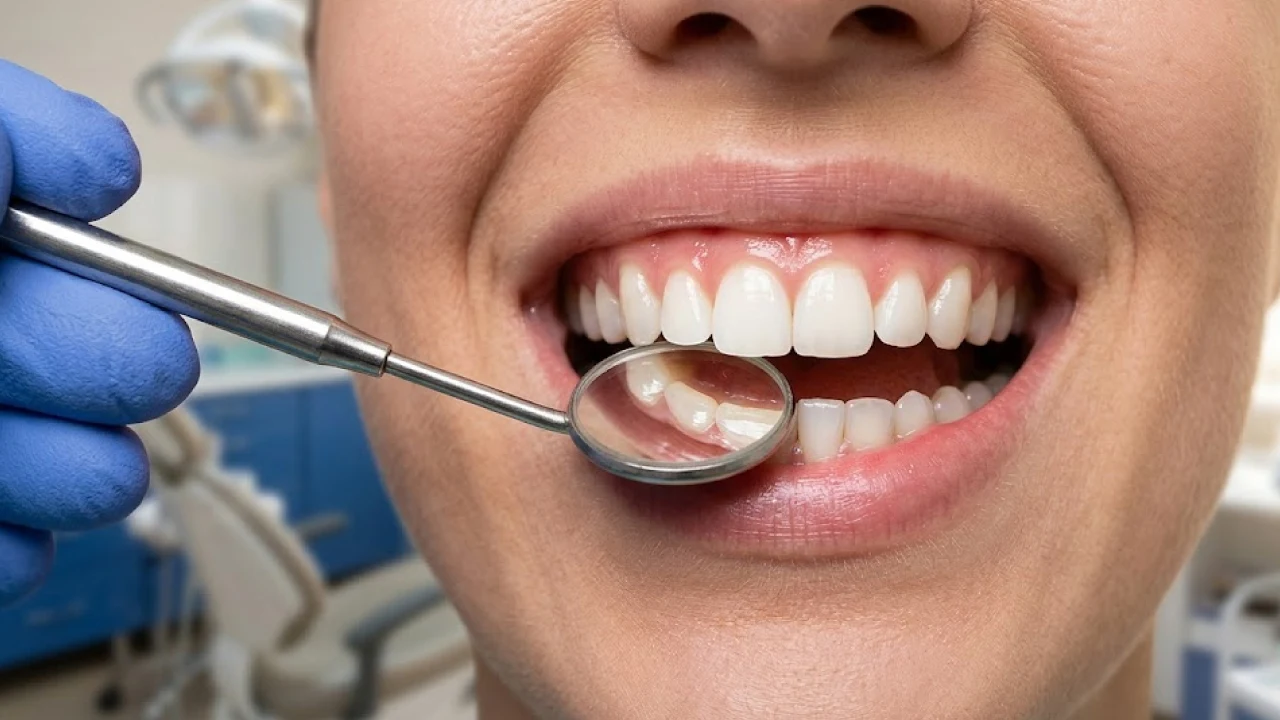
At present people are inclined to know more on laser cleaning technique and its costs. Laser technology applied for teeth whitening is safe and there is no painful experience in your cleaning of teeth. You teeth look younger and cleaner. It just requires an hour and your teeth are ready with white shine. The first thing you notice after laser teeth whitening on a mirror if your confidence built smile. In laser teeth whitening the dentist first isolate your lips and gum.

Then he applies a laser whitening gel which is activated with powerful diode laser. The teeth typically become whiter and you would be amazed to wee the results. Usually one sitting is enough for clean and whiter teeth. But those whose stains are old may require two sittings which the dentist decides according to his knowledge. Go for laser teeth whitening and bring back the smile to your face which lost due to the yellow stains. Thus this is the technique of laser teeth whitening.

Good teeth are a sign of overall fitness and smartness. Mens health magazines say that women prefer men more with good white teeth.


Pelvic Inflammatory Disease and its Treatment

November 20th, 2008 . by steve

What is this condition?

Pelvic inflammatory disease is any acute, subacute, recurrent, or chronic infection of the oviducts and ovaries, with adjacent tissue involvement. It includes inflammation of the cervix, uterus, fallopian tubes, and ovaries, which can extend to the connective tissue lying between the broad ligaments.

Early diagnosis and treatment prevents damage to the reproductive system. Untreated, the disease may cause infertility and lead to potentially fatal blood infection, blood clots in the lungs, and shock.

What causes it?

Pelvic inflammatory disease can result from infection with bacteria, which invade the uterus when the defensive barrier formed by the cervical mucus is compromised. The breach may be caused by various procedures, such as insertion of an intrauterine device, biopsy instrument, or catheter. Other predisposing factors include abortion, pelvic surgery, and infection during or after pregnancy.

Bacteria may also enter the uterine cavity through the blood­stream or from drainage from a chronically infected fallopian tube, a pelvic abscess, a ruptured appendix, diverticulitis of the large intestine, or other infected areas.

The bacterium Neisseria gonorrhoeae most commonly causes pelvic inflammatory disease because it’s most able to cross the cervical mucus barrier. Other common bacteria found in cervical mucus are staphylococci, streptococci, diphtheroids, chlamydiae, and coli­forms, including Escherichia coli and Pseudomonas. Uterine infection can result from one or more of these bacteria, or it may follow over­growth of normally nonpathogenic bacteria in an altered endometrial environment, as occurs in childbirth.

What are the Symptoms of Pelvic Inflammatory Disease ?

Pelvic inflammatory disease symptoms vary with the affected area but generally include excessive pus discharge from the vagina, some­times accompanied by low-grade fever and malaise (particularly if gonorrhea is the cause). The woman experiences lower abdominal pain, and movement of the cervix or palpation of the fallopian tubes or ovaries may be extremely painful.

How is it diagnosed?

Diagnostic tests generally include:

  • Gram staining of secretions from the endocervix or cul-de-sac to identifY the bacterial agent; culture and sensitivity testing aids selection of the appropriate antibiotic. (Urethral and rectal secretions may also be cultured.)
  • ultrasound to identifY a tubal or uterine mass (simple X-rays seldom identifY pelvic masses)
  • culdocentesis (aspiration) to obtain peritoneal fluid or pus for culture and sensitivity testing.
  • In addition, the woman’s history is significant. Pelvic inflammatory disease is typically associated with recent sexual intercourse, intrauterine device insertion, childbirth, or abortion.

How is it treated?

To prevent progression of pelvic inflammatory disease, antibiotic drug therapy begins immediately after culture specimens are obtained. Infection may become chronic if treated inadequately.

The guidelines of the Centers for Disease Control and Prevention for at-home treatment include a single dose of Mefoxin given along with Benemid, or a single dose of Rocephin. Each of these regimens is given with Vibramycin for 14 days.

The official guidelines for hospital treatment include Vibramycin alone or a combination of Cleocin and Garamycin.

Development of a pelvic abscess necessitates adequate drainage. A ruptured abscess is life-threatening. If this complication develops, the woman may need a total removal of her uterus, fallopian tubes, and ovaries.


Pinkeye – Are You Aware of the Symptoms And Treatment

November 8th, 2008 . by steve

What do doctors call this condition?

Conjunctivitis

What is this condition?

Pinkeye is an inflammation of the conjunctiva – the delicate membrane that lines the eyelids and covers the exposed surface of the eye­ball. This disorder is usually harmless, but it can become chronic. In the Western hemisphere, it’s probably the most common eye disorder.

What causes it?

Pinkeye usually results from infection, allergy, or chemical reactions.

Allergic and chemical causes include pollen, grass, topical medications, air pollutants, smoke, and occupational irritants (acids and alkalies). Seasonal or warm-weather pinkeye is caused by an allergy to an unidentified substance. This form of pinkeye, which affects both eyes, usually begins before puberty and lasts about 10 years. Some­times, it’s associated with other allergy symptoms commonly related to grass or pollen sensitivity.

What are its symptoms?

Pinkeye commonly causes redness of the conjunctiva, making the eyes look pink. Some people also have eye discharge, tearing, and pain; children may have a sore throat or fever. If the cornea is also inflamed, the eyes may be sensitive to light.

Pinkeye rarely affects vision. It usually starts in one eye and rapidly spreads to the other by contamination of towels, washcloths, or the person’s hands.

Acute bacterial pinkeye usually lasts only 2 weeks. Typical symptoms are itching, burning, and a foreign body sensation in the eye. The eyelids show a crust of sticky discharge that contains mucus and pus.

Pinkeye caused by a virus leads to profuse tearing, a little discharge, and an enlarged lymph gland in front of the ear. Some viruses take a chronic course and cause severe disabling disease, while others last just 2 to 3 weeks.

How is it diagnosed?

A physical exam usually reveals redness and swelling of blood vessels in the conjunctiva. The doctor may take a specimen of conjunctival scrapings to determine if pinkeye is bacterial, viral, or allergic.

How is it Treated?

Treatment of pinkeye varies with the cause. In bacterial pink eye, the doctor prescribes a topical antibiotic or sulfonamide. Although viral pinkeye resists treatment, eyedrops may prevent a secondary infection. Herpes simplex infection generally responds to Herplex or Vira­A Ophthalmic ointment, but it may persist for 2 to 3 weeks. Allergic pinkeye is treated with eye drops that constrict the blood vessels, cold compresses to relieve itching and, occasionally, oral antihistamines.


Prostate Cancer – Know the Symptoms and Treagtment

October 11th, 2008 . by steve

What is this condition?

This cancer affects the prostate – the chestnut-sized gland in males that surrounds the neck of the bladder and urethra (the structure that drains urine from the bladder). Prostate cancer is the second most common cancer in men over age 50.

Most prostate cancers arise in the rear portion of the prostate gland; the rest originate near the urethra. Prostate cancer rarely results from the benign enlargement that commonly develops around the prostatic urethra in older men.

Prostate cancer accounts for about 18% of all cancers. It’s most common in Blacks and least common in Asians. Its incidence in­creases with age more rapidly than any other cancer.

What causes it?

Researchers haven’t found a definite link between prostate cancer and increased levels of androgens (male hormones), although androgens regulate prostate growth and function and may speed tumor growth.

What are the Symptoms of Prostate cancer?

Prostate cancer Symptoms include difficulty starting a urine stream; urine dribbling or retention; urinary pain, frequency, or urgency; and, rarely, blood in the urine.

How is it diagnosed?

The doctor will perform a manual rectal exam, which may reveal a small, hard mass, or nodule. The American Cancer Society advises a yearly rectal exam for men over age 40, a yearly blood test to detect prostate-specific antigen (PSA) in men over age 50, and ultrasound if results are abnormal.

Biopsy confirms the diagnosis. Magnetic resonance imaging (commonly called MRI), a computed tomography scan (commonly called a CAT scan), and special X-rays of the urinary tract may also aid diagnosis.

How is it treated?

The preferred treatment depends on symptoms, the person’s tolerance for therapy and expected life span, and the disease stage. Care is taken when choosing a treatment method, because older men (commonly affected) typically have other disorders, such as high blood pressure, diabetes, or heart disease.

Generally, treatment includes surgery to remove the prostate, and occasionally one or both testicles, radiation therapy, and hormone therapy. Radiation therapy is also used to cure some invasive tumors and to relieve pain from cancer spread to bone .

If hormone therapy, surgery, and radiation therapy aren’t feasible or successful, chemotherapy may be tried. However, current drug therapy offers limited benefit. Combining several treatment methods may be most effective.


Fast Fat Loss Programs – Do you need To Be Really Fast?

October 1st, 2008 . by editor

It might be your desire to lose fat quickly and achieve a slim trim body structure. But, is it desirable to trust the fast fat loss programs, available in abundance over internet? Consider the low carb diets, which have taken the weight loss products’ industry by storm. These diets promise fast achieving of your dream for a body with balanced amount of fat.

However, the other side of the coin says that these diets have a temporary effect on body weight. The person, after achieving a balanced body weight, discontinues with low carb diets and becomes prone to gain heavy weight again. So, what is the fun in going with an unstable procedure to achieve perfect body weight?

Furthermore, low carb diets are capable of inducing problems like frustration and anxiety, as people consuming them are not able to handle the immediate deficiency of certain food items. Thus, becoming fast in achieving balanced weight is not an exciting offer, made by innumerable websites. The trick is to reduce your body weight at a normal pace to let your body adjust to new shape.

Way To Lose Fat, the prominent weight loss web portal, has exhibited its flair in evaluating good as well as bad weight loss programs. The website draws the real picture of products, which are launched under the category of weight loss from time to time. You can find programs like Bistro MD, Revival Diet, Diet Direct and others being reviewed here.


Balancing Diet Pills with Other Weight Loss Procedures

October 1st, 2008 . by editor

No doubt that there are many diet pills that work at a fast pace to provide you with an impressive body shape. However, in order to further intensify the rate at which success is achieved, you must follow other procedures as well. For instance, you must obtain a good diet plan to make sure that the positive effects of diet pills are not neutralized by wrong food selection.

There are many exercising routines, which are dedicated to burn the body fat effectively. Swimming is one example of these exercises, which can be practiced by people from all age groups. Another name in the series is cycling, which is a good exercise for increasing the muscle weight of body. Apart from these, running, jogging, aerobics and similar exercises must be included in the schedule.

While using diet pills for reducing weight, don’t neglect the importance of workout session to be followed in gym. All these complimentary procedures work well with diet pills to facilitate an individual in achieving the target.

Diet Pills Hut is a recognized name in the industry, well-known for reviewing available diet pills in the market. The website recommends most efficient products to the customers and also dishes up weight loss information to its visitors. You can visit the website to compare different diet pills and make the best choice amongst rest. You can contact people behind the scene to get entertained for all types of queries.

Visit the website to convert your dream for a slim body into reality.


« Previous Entries Next Entries »